
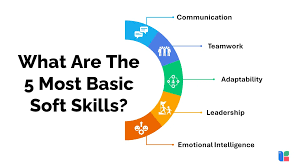
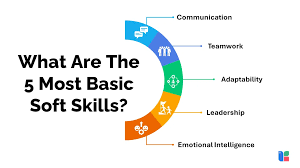
In today’s fast-paced and ever-evolving job market, technical expertise alone is no longer enough. Employers are placing increasing value on soft skills — the personal attributes and interpersonal abilities that enable people to work well with others and adapt to changing environments.
Whether you’re a recent graduate or a seasoned professional, developing strong soft skills can set you apart and accelerate your career growth. Here are the top soft skills employers are actively seeking in 2025.
1. Communication Skills
Clear and effective communication — both verbal and written — is essential in nearly every job. Employers want team members who can express ideas clearly, listen actively, and collaborate effectively.
Why it matters:
Good communication reduces misunderstandings, improves teamwork, and enhances productivity.
2. Adaptability and Flexibility
With rapid technological advancements and shifting work environments (like remote and hybrid models), adaptability is crucial.
Why it matters:
Employers value individuals who can pivot quickly, embrace change, and stay productive in uncertain situations.
3. Problem-Solving and Critical Thinking
Being able to analyze situations, think creatively, and find effective solutions is a highly prized skill in any industry.
Why it matters:
Problem-solvers help businesses overcome challenges, innovate, and stay competitive.
4. Emotional Intelligence (EQ)
EQ is the ability to understand and manage your emotions while empathizing with others. It includes self-awareness, self-regulation, motivation, empathy, and social skills.
Why it matters:
High EQ leads to better teamwork, leadership, and conflict resolution — all vital in collaborative work environments.
5. Time Management
With multiple tasks and tight deadlines, managing time effectively is a must. Employers look for individuals who can prioritize, plan, and deliver results without constant supervision.
Why it matters:
Efficient time management boosts productivity and reduces stress in the workplace.
6. Teamwork and Collaboration
Even in remote settings, the ability to work well with others is essential. Employers want team players who contribute positively and support shared goals.
Why it matters:
Strong collaboration leads to better outcomes, innovation, and a healthier work culture.
7. Leadership and Initiative
You don’t need to be in a management role to show leadership. Taking initiative, motivating others, and being accountable are all signs of leadership potential.
Why it matters:
Employers are always on the lookout for future leaders who can take ownership and drive results.
8. Resilience and Stress Management
The ability to stay calm under pressure and bounce back from setbacks is more important than ever.
Why it matters:
Resilient employees are more likely to thrive in high-pressure environments and help maintain team morale.
Final Thoughts
While technical skills may get your foot in the door, it’s your soft skills that will help you climb the ladder. The good news? Soft skills can be developed with practice, feedback, and self-awareness.
Invest in yourself — take courses, seek mentorship, and challenge yourself to grow. In a world where change is constant, your adaptability, communication, and emotional intelligence will be your greatest assets.